Virtual Safety Car Full SC How to Optimize Race Tactics
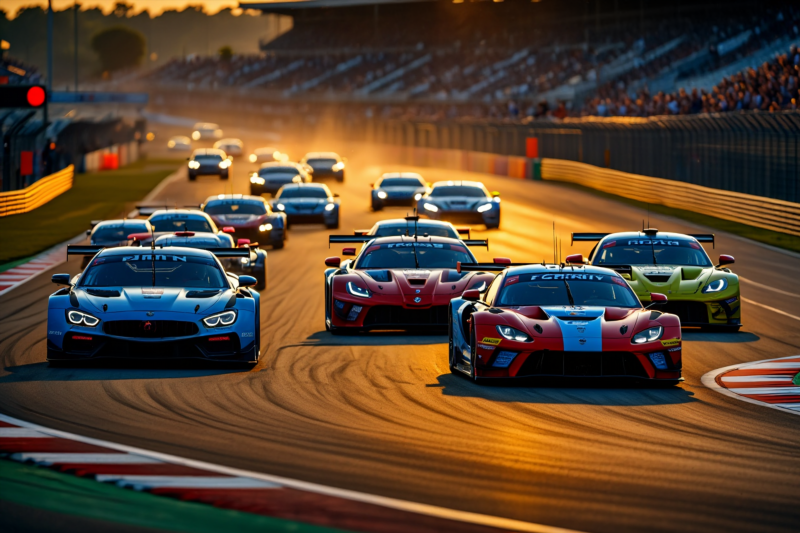
In high-stakes motorsport events like Formula 1, WEC, IndyCar, NASCAR, rally, endurance racing, and emerging series, understanding race-neutralization events is crucial for teams and drivers aiming for optimal performance. Among these, the Virtual Safety Car (VSC) and Full Safety Car (Full SC) periods are pivotal moments that can dramatically shift race dynamics. At RaceRhythm, we delve into deep race analysis, driver insights, and engineering breakdowns—in this article, we explore how these neutralizations influence race strategy, particularly focusing on pit stops, tire management, and overall tactics.
What Are Virtual Safety Car (VSC) and Full Safety Car (Full SC)?
Virtual Safety Car (VSC)
- A delayed safety procedure where drivers slow down to a controlled speed while remaining on track.
- Used primarily for less severe incidents, clearing debris, or track conditions that don’t warrant a full deployment.
- Allows for less disruption to race flow and minimal pit stop timing effects.
Full Safety Car (Full SC)
- A full deployment of safety protocols where the safety car enters the track, leading to a complete neutralization of race conditions.
- Usually activated in the case of major accidents, debris on the track, or severe weather conditions.
- Results in race pause, bunching up the field, and significant strategic implications.
How Neutralizations Change Race Tactics
1. Impact on Pit Stop Strategy
| Neutralization Type | Effect on Pit Stops | Strategic Considerations |
| Virtual Safety Car | Slight slowdown, minimal delays | Teams can safely pit without losing significant time; advantage for undercut or overcut strategies. |
| Full Safety Car | Complete stop in racing; cars are bunched | Significant opportunity for pit stops during neutralization, especially for tire changes or repairs, often saving time compared to pitting under green flag conditions. |
Key Tip: During full SC, timing your pit stop can provide critical gains—plan to pit during these periods to benefit from the reduced time loss.
2. Tire and Fuel Management Adjustments
Neutralizations affect tire wear and fuel calculations:
- Under green conditions, teams manage tire degradation and fuel load, aiming for optimal lap times.
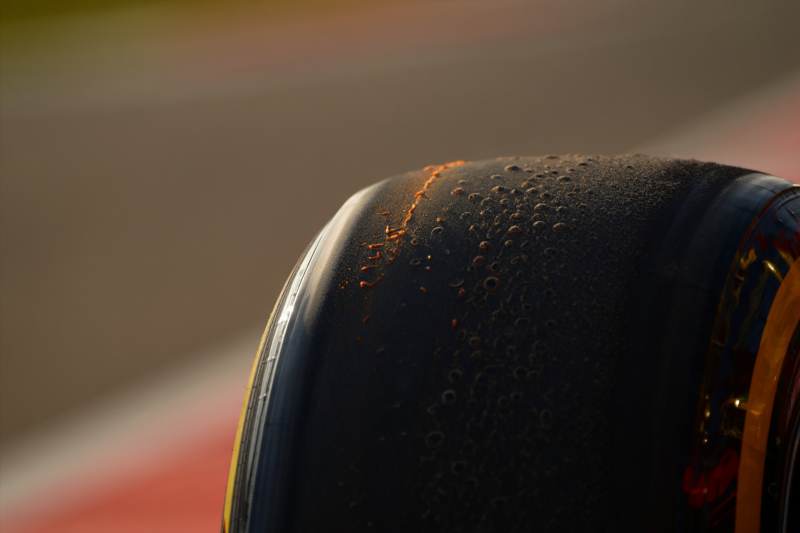
- During VSC or Full SC, drivers can extend stint lengths or save fuel, as the reduced speeds decrease tire wear and fuel consumption.
- Conversely, some teams may opt for an early pit stop to switch to fresher tires, leveraging neutralization to minimize time loss.
3. Race Positioning and Overtaking Opportunities
- Bunching of cars during Full SC levels the field, creating opportunities for overtaking on the restart.
- Strategic positioning before an SC can determine race outcome, rewarding teams that anticipate neutralization timing.
Optimizing Race Tactics During Neutralizations
Tips for Drivers and Teams
- Pre-emptive Planning
- Monitor race pace and anticipate possible neutralizations.
- Decide in advance whether to pit or stay out, based on remaining laps and tire condition.
- Smart Pitting During Full SC
- Use Full SC periods to execute pit stops efficiently.
- Prioritize tire changes, especially if tire wear is critical.
- Coordinate pit stops to maximize field bunching, gaining positions.
- Dynamic Tire and Fuel Strategies
- Adjust stints based on neutralization opportunities.
- Be flexible—consider early or late pit stops depending on race development.
- Communication is Key
- Maintain clear communication between drivers and strategy teams.
- Use real-time data to decide when a neutralization might be advantageous.
Visualization: Race Strategy Flowchart During Neutralization Events
| Event Type | Decision Point | Action | Expected Outcome |
| During VSC | Timing of pit stop | Pit during VSC or wait? | Minimize time loss, optimize tire/fuel options |
| During Full SC | Field position | Pit during full SC or pass? | Gain positions, reduce pit stop delay |
Common Questions About Race Neutralizations
How does a Virtual Safety Car differ from a Full Safety Car in terms of race strategy?
- VSC allows for small speed reductions and minimal time loss, mainly used for monitoring, with limited impact on pit timing.
- Full SC neutralizes the race entirely, offering strategic opportunities for pit stops and field bunching, but also freezes the race order temporarily.
When is the best time to pit during a neutralization event?
- If tire degradation is critical and a pit stop can bring a substantial gain, timing during a Full SC is ideal.
- For shorter neutralizations like VSC, it’s often better to wait unless the pit stop timing aligns with planned tire changes.
How do teams decide whether to pit during neutralizations?
- Based on race position, tire wear, fuel level, and remaining laps.
- Teams utilize real-time telemetry and simulations to make swift strategic calls during these events.
Understanding how Virtual Safety Car and Full Safety Car periods influence race strategy is essential for racing teams seeking the edge in motorsport competition. By leveraging these neutralization events, optimizing pit stop timing, managing tires and fuel more effectively, and reading race conditions accurately, teams can turn neutralizations into opportunities rather than setbacks.
At RaceRhythm, our deep analysis capabilities empower teams and drivers to maximize performance during these critical moments—making the difference between a good race and victory.
Ready to elevate your race strategy? Stay tuned for more insights, and don’t hesitate to reach out for tailored analysis to give your team the competitive advantage.
*For expert guidance on race tactics, engineering breakdowns, and real-time performance data, contact RaceRhythm today.*