Undercut Versus Overcut Strategies in Modern F1 Races
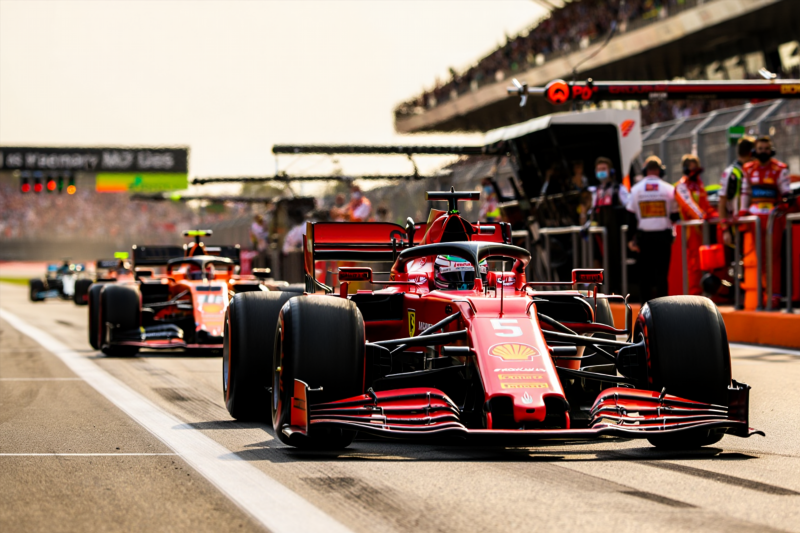
Understanding the Core Concepts of F1 Pit Stop Strategies
In Formula 1, race tactics are crucial for gaining a competitive edge. Among the most debated and strategic decisions are undercut and overcut maneuvers during pit stops. Both strategies aim to optimize track position, tire management, and race pace, but they differ significantly in execution and effectiveness depending on race conditions.
What Is the Undercut Strategy?
The undercut involves pitting earlier than the car ahead, hoping that fresh tires will allow your driver to lap faster and overtake the rival once they exit their pit stop. This approach relies on tire degradation rates and the driver’s ability to maximize the advantage of fresh tires in the early stint.
What Is the Overcut Strategy?
Conversely, the overcut consists of staying out on older, worn tires longer than the competitor, with the goal of gaining track position before pitting. This strategy works if the driver can maintain or improve their pace despite tire wear, and the timing of the pit stop can capitalize on the opponent’s potential slowdown or tire degradation.
Key Differences Between Undercut and Overcut Strategies
| Aspect | Undercut | Overcut |
| Timing of Pit Stop | Pitting earlier than rival | Pitting later than rival |
| Primary Advantage | Gains track position quickly through fresh tires | Avoids early tire degradation, potentially gaining position later |
| Risk | Poor tire performance soon after the stop, potential underperformance if not executed perfectly | Losing track position if the opponent maintains pace or benefits from strategic errors |
| Best Used When | Opponent’s tires are degrading, traffic is manageable, and fresher tires can deliver quick lap gains | The driver can manage aging tires effectively, or when the track position is advantageous before pitting |
Factors Influencing Strategy Choice
Choosing between undercut and overcut strategies depends on various factors:
- Tire Degradation Rates: High degradation favors undercut strategies.
- Track Conditions: Cooler temperatures tend to slow tire wear, making overcut more viable.
- Traffic and Track Position: Clean air allows more aggressive undercut attempts; heavy traffic complicates execution.
- Real-Time Performance Data: Teams analyze lap times and tire temperatures to identify the optimal moment to pit.
- Race Situation: Championship implications, safety car deployment, and fuel management can influence the decision.
Implementation in Modern Formula 1
Recent races highlight the dynamic nature of these strategies:
- For example, during the 2023 F1 season, teams like Mercedes and Red Bull meticulously analyze real-time telemetry to decide whether to execute an undercut or overcut.
- Strategies are often combined with driver skill, such as managing tire wear and executing quick pit stops under pressure.
- Simulation models and race pace algorithms assist teams in determining the optimal timing, considering upcoming safety cars or unpredictable weather conditions.
Which Strategy Enhances Race Performance More Effectively?
The answer ultimately depends on race circumstances, but key insights include:
- Undercut tends to be more effective when a driver can exploit the tire advantage quickly, especially in races with high tire degradation or when overtaking is difficult.
- Overcut works well when the driver can sustain a strong pace on aging tires or when the track conditions favor longer stints without significant lap time loss.
Scenario-Based Recommendations:
| Race Scenario | Recommended Strategy | Rationale |
| Opponent is struggling with tire wear | Undercut | Maximize fresh tires to overtake while the opponent’s tires fade |
| Track is cold or has low tire degradation | Overcut | Maintain track position longer, as tires remain effective |
| Safety car deployment provides free pit stop opportunities | Flexible approach | Teams may switch strategies based on the timing of safety cars |
Final Thoughts: Precision and Flexibility Are Key
Modern Formula 1 is an intricate balance of timing, tire management, and real-time data analysis. Both undercut and overcut strategies can be highly effective, but their success depends on precise execution and adaptability. Teams that leverage advanced telemetry, driver skill, and situational awareness can craft strategies that maximize race performance, often turning the tide at critical moments of the race.
Ready to Dive Deeper?
At RaceRhythm, we analyze the nuances of F1 tactics and driver performances with deep race insights, engineering breakdowns, and strategy models. Stay ahead of the pack by understanding not just what strategies to choose, but why and when to execute them for maximum impact.
Contact us today to learn how cutting-edge performance analysis can elevate your racing strategy!
*Identify your optimal pit stop timing. Master undercut and overcut tactics with RaceRhythm — where racing strategies become your competitive edge.*