Teams Develop Winning Grand Prix Plans for Tires and Safety
Teams Develop Winning Grand Prix Plans for Tires and Safety
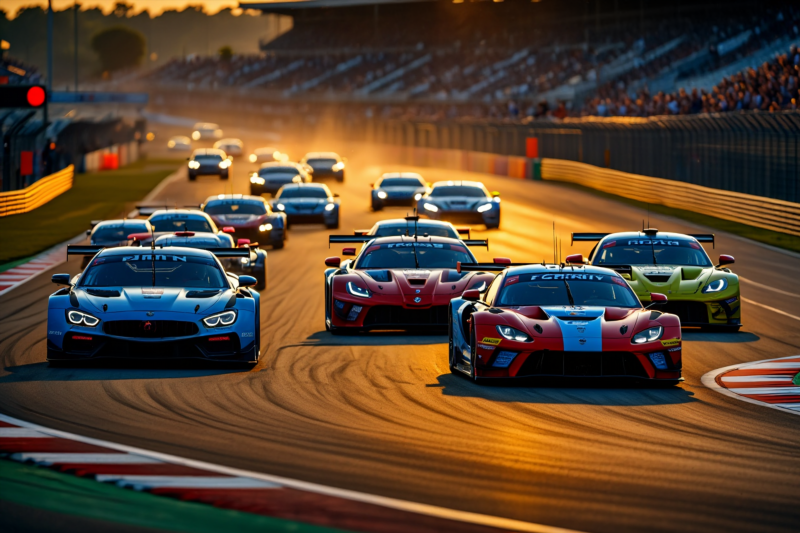
In the fiercely competitive world of high-performance motorsport, such as Formula 1, WEC, IndyCar, NASCAR, and rally racing, success hinges on more than just speed — it’s about strategy. Teams invest significant effort in developing sophisticated Grand Prix plans that meticulously weigh tire choices, safety protocols, and weather conditions, turning complex data into actionable insights. This strategic approach is a vital component that can make or break a race, elevating performance and ensuring driver safety.
The Importance of Strategic Planning in Motorsports
Effective strategy in racing is a multifaceted process. Teams utilize advanced analytics and real-time data to craft plans that adapt dynamically to changing conditions. The key areas this entails include:
- Tire Management: Choosing the right tire compounds at optimal times
- Safety Protocols: Preparing for incidents, safety car deployment, and regulatory compliance
- Weather Analysis: Anticipating rain, temperature shifts, and track conditions
Understanding how these elements interconnect allows teams to devise a comprehensive race plan that maximizes performance while safeguarding drivers.
Developing Effective Grand Prix Strategies
1. Tire Choice and Management
Tire selection is arguably the most influential factor in race strategy, impacting grip, durability, and pit stop timing. Teams analyze:
- Compound Performance: Soft, medium, hard — each offers trade-offs between speed and lifespan.
- Track Characteristics: Surface grip levels and how they affect tire wear.
- Weather Forecasts: Rain or high temperatures alter tire performance considerations.
Strategy Tip: Opting for softer tires early for quick laps, then switching to harder compounds for longevity, can provide competitive edges.
2. Incorporating Safety Protocols
Safety is paramount in motorsport. Teams integrate safety into their strategic plans by:
- Planning for contingencies like accidents or debris on track.
- Preemptively deploying safety cars to neutralize dangerous situations while minimizing time loss.
- Ensuring compliance with evolving safety regulations and procedures.
Effective Practice: Synchronizing pit stops with safety car deployments to reduce time loss and maintain strategic advantage.
3. Weather Pattern Analysis and Adaptation
Weather can shift rapidly, making real-time analysis essential. Teams employ:
- Weather Models & Sensors: To track rainfall, temperature, and humidity.
- Track Surface Data: To assess grip levels under various conditions.
- Predictive Analytics: To anticipate weather changes and adjust strategies accordingly.
Tip: Preparing multiple tire strategies for different weather scenarios allows teams to adapt swiftly on race day.
How Advanced Data and Real-Time Monitoring Enhance Strategy
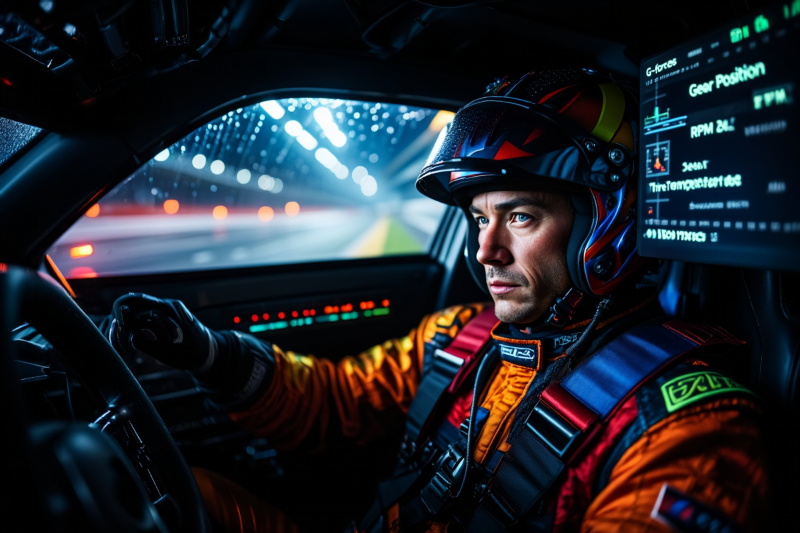
In the digital age, teams leverage cutting-edge telemetry and data analytics to:
- Monitor tire wear, engine health, and tire temperature.
- Analyze driver performance relative to strategy.
- Make real-time adjustments, such as changing pit stop timing or tire selection.
This continuous feedback loop enables a dynamic approach that can respond to unexpected race developments, giving teams a strategic advantage.
Case Study: Strategy Success in Recent Grand Prix
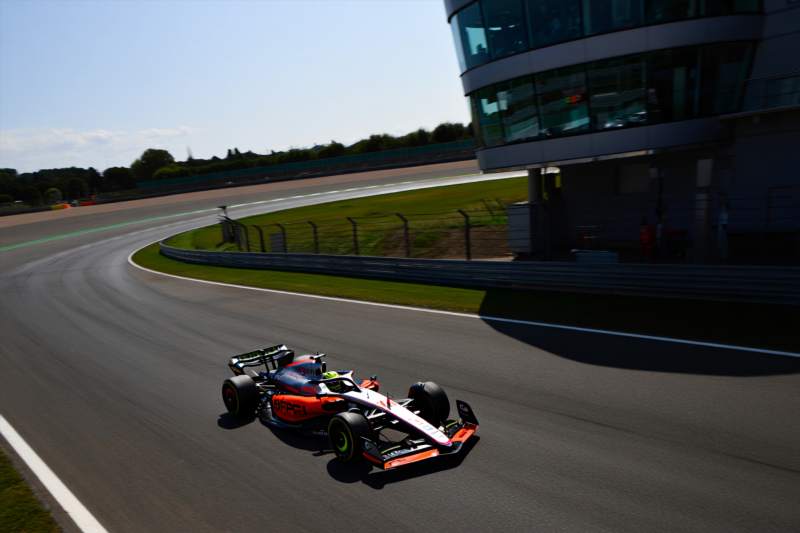
Consider the recent Monaco Grand Prix, where teams’ ability to adapt tire choices and respond to safety car deployments determined the race outcome. Teams that accurately forecasted weather shifts and timed their pit stops accordingly gained significant positions, illustrating the importance of integrated strategy development.
Frequently Asked Questions
Q1: How do teams predict weather during a race? Teams use sophisticated weather models, satellite data, and in-track sensors to forecast conditions with high accuracy, enabling proactive strategy adjustments.
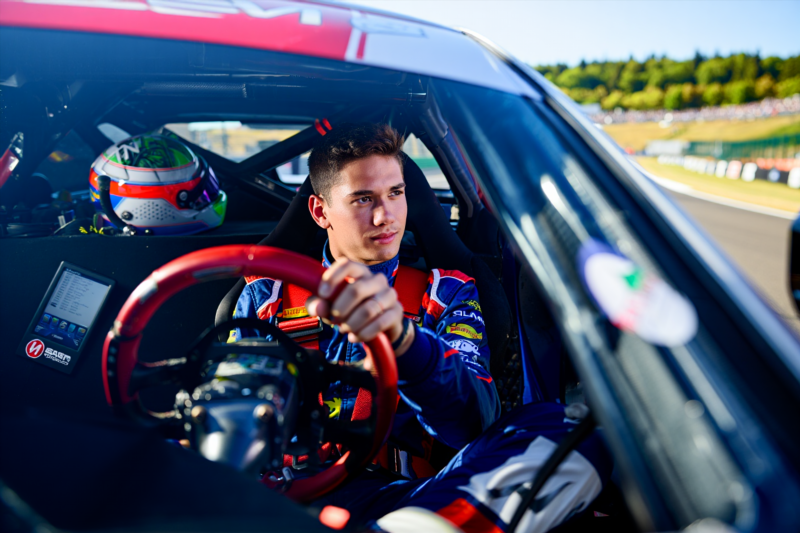
Q2: What role does driver input play in strategic planning? Drivers provide real-time feedback on tire grip and track conditions, helping teams refine strategies as the race progresses.
Q3: How are safety protocols integrated into race strategies? Teams coordinate with race control for safety car periods, incident responses, and regulatory compliance, all integrated into the overall plan to optimize safety and performance.
Final Thoughts: The Edge of Motorsport Innovation
In high-stakes motorsport, the development of a winning Grand Prix strategy is a combination of science, technology, and experience. By meticulously analyzing tire options, safety protocols, and weather patterns, teams craft plans that lead to victory while prioritizing safety. As technologies advance, the capacity for precise prediction and rapid adaptation continues to redefine the limits of racing excellence.
Ready to see how innovative strategies turn data into victories? Explore the latest in race analysis, driver insights, and engineering breakdowns at RaceRhythm — your ultimate platform for high-performance motorsport insights.