Sim Racing Tips That Pro Drivers Use to Win
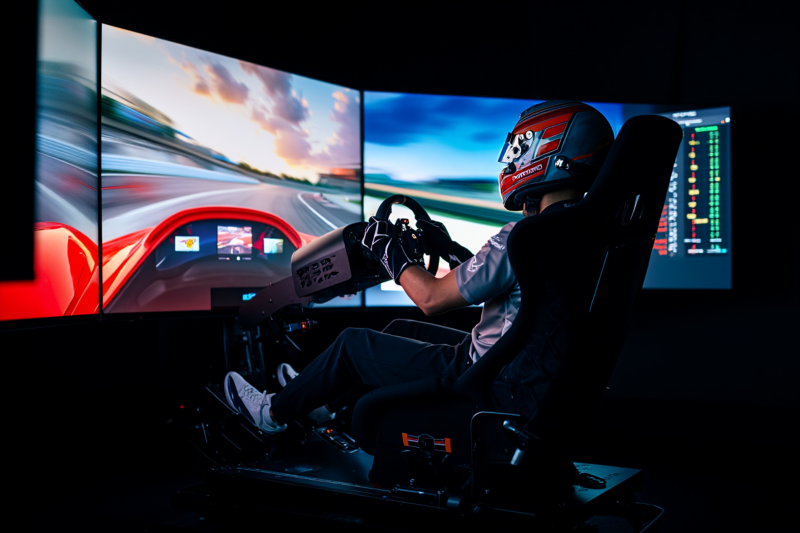
In the fiercely competitive world of motorsport, whether it’s Formula 1, WEC, IndyCar, NASCAR, or rally racing, the difference between victory and defeat often hinges on precision, strategy, and mental fortitude. An increasingly vital aspect of professional driver preparation is sim racing—a cutting-edge training technique that allows top drivers to hone their skills in a highly realistic virtual environment.
RaceRhythm explores how expert drivers leverage immersive sim racing techniques and practical strategies to elevate their performance, ensuring they hit the race track with confidence and clarity. From engine management to driver insights, discover proven methods that are transforming the way pros prepare for competition.
How Professional Drivers Use Sim Racing to Prepare
The Power of Immersive Simulation Technology
Pro drivers rely on high-fidelity simulators that mimic real-world racing environments with extraordinary accuracy. These systems are equipped with:
- Advanced force-feedback steering wheels for tactile realism
- Detailed graphics engines that simulate track conditions, weather, and tire wear
- Real-time telemetry data to analyze performance patterns
- Vibration and motion systems for immersive physical feedback
Benefits of Sim Racing for Professional Drivers
| Benefit | Explanation |
| Skill Refinement | Fine-tuning driving techniques such as braking points, cornering lines, and throttle control. |
| Strategy Development | Practicing pit stops, tire management, and race pacing in a risk-free environment. |
| Mental Conditioning | Building focus, reaction speed, and decision-making under pressure. |
| Data-Driven Feedback | Analyzing real-time data to identify areas for improvement, akin to engineering breakdowns in real racing. |
| Cost and Time Efficiency | Training without wear and tear on actual vehicles or track time expenses. |
Practical Sim Racing Strategies Employed by Pro Drivers
1. Focused Repetition of Key Skills
Pro drivers break down specific racing maneuvers—such as trail braking or slipstreaming—and repeatedly practice these to develop muscle memory. This focus ensures quick reactions and precision on race day.
2. sim Racing with Real-World Data
By integrating telemetry data from actual races into their simulator setup, drivers can tailor their virtual practice to mimic real-world scenarios, enhancing transferability of skills.
3. Consistent Scenario Simulation
Top drivers simulate various race conditions—rain, low visibility, or mechanical failures—to prepare for unpredictable situations, developing resilience and quick thinking.
4. Strategy and Race Simulation Practice
Sim racers run full race simulations, testing different tire strategies, fuel loads, and pit stop timings. This prepares them with actionable insights that directly influence race tactics.
5. Mental Conditioning and Focus Training
Pro drivers often incorporate meditation and visualization techniques within their sim routines, helping maintain peak concentration and emotional control during high-pressure moments.
Tips to Optimize Your Sim Racing Performance
- Invest in quality hardware: A realistic wheel, pedals, and seat setup significantly enhance immersion.
- Use authentic tracks and cars: Fidelity impacts learning transferability.
- Regular Practice Schedule: Consistency beats intensity—short, frequent sessions build lasting skills.
- Data Analysis: Record your runs, analyze lap times, and review performance logs to identify patterns.
- Simulate Race Conditions: Replicate race scenarios, including start procedures, fuel strategies, and weather effects.
- Stay Mentally Focused: Incorporate mental training techniques such as breathing exercises to improve focus.
Addressing Common Questions About Sim Racing for Pros
Is sim racing as effective as real-world practice?
Yes. While it can’t replace actual track experience, high-quality simulators provide realistic feedback and scenario-based training that complements physical practice, improving reaction times and strategic thinking.
Can amateur racers benefit from sim racing techniques used by pros?
Absolutely. Many of the strategies—such as data analysis, disciplined practice, and scenario simulation—are accessible and beneficial for drivers at all levels seeking performance improvement.
What equipment do professional drivers recommend?
Simulation hardware with force feedback and motion platforms, combined with realistic software like Assetto Corsa, iRacing, or rFactor, provide the immersive environment necessary for effective training.
Final Thoughts: Harnessing Sim Racing for Motorsport Excellence
The line between virtual and real racing continues to blur as technological advancements refine simulation accuracy. Pro drivers worldwide use sim racing not only as a training tool but as a strategic asset—allowing them to experiment with tactics, analyze performance, and sharpen their reflexes.
By adopting these expert tips and integrating immersive sim techniques into your training regime, you can unlock new levels of precision, strategy, and performance—paving your road to victory both on the screen and the race track.
Ready to elevate your racing skills? Dive into high-performance sim racing with cutting-edge gear, data-driven insights, and proven strategies used by the pros—because every second counts when you’re aiming for the podium.
*Stay tuned with RaceRhythm for more insights into advanced motorsport training, race analysis, and driver development strategies.*