Rally Pace Notes 101 Discover how co-drivers control momentum
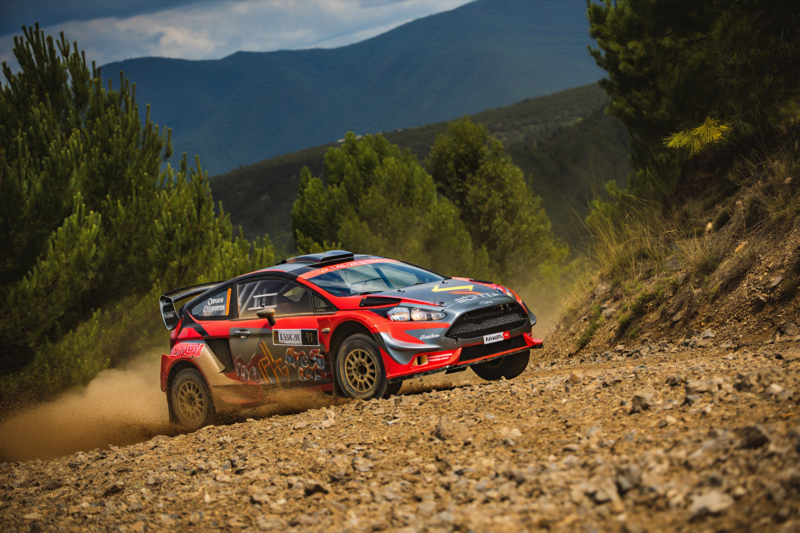
Discover How Co-Drivers Control Momentum
In the high-stakes world of rally racing, the role of the co-driver is paramount. They are not just navigators but strategic maestros who shape the driver’s rhythm, safety, and overall performance through precise communication. Among their many responsibilities, managing pace notes stands out as a vital skill that enables co-drivers to control speed and maintain a consistent rhythm across challenging terrains. Whether you’re a novice or seeking advanced techniques, understanding how to effectively utilize rally pace notes can transform your navigation and rally experience.
What Are Rally Pace Notes?
Rally pace notes are detailed, pre-planned descriptions of the stages that provide critical information about upcoming turns, gradients, hazards, and surface conditions. They serve as a roadmap, allowing the co-driver to convey real-time insights to the driver, who then adapts their driving accordingly. Properly crafted and executed pace notes optimize performance, safety, and consistency throughout the rally.
Why Are Pace Notes Essential for Managing Speed and Rhythm?
| Benefit | Impact on Performance |
| Precise Control | Helps drivers adjust their speed for each corner and hazard |
| Consistent Rhythm | Maintains a steady flow, reducing mistakes and fatigue |
| Enhanced Safety | Alerts drivers to dangers ahead, enabling proactive decisions |
| Competitive Edge | Maximizes time efficiency on the stages |
Core Techniques for Effective Rally Pace Notes
1. Detailed Observation and Communication
- Stage Reconnaissance: Conduct thorough reconnaissance to gather accurate data. Walk or drive the stage, noting every turn, crest, and hazard.
- Descriptive Clarity: Use standardized, unambiguous language. For example, “sharp right after the bridge” or “long, sweeping left with a dip in the middle.”
- Timing and Pacing: Indicate distances and relative speeds to prepare the driver for upcoming maneuvers.
2. Using Consistent Terminology and Symbols
- Simplify Symbols: Use familiar shorthand for turns, hazards, and surface types (e.g., “R” for right, “L” for left, “C” for crest).
- Standardized Language: Develop a shared lexicon to avoid confusion during fast-paced stages.
3. Controlling Speed with Technical Precision
- Adjusting Note Detail: Tailor the amount of detail based on the driver’s experience and the complexity of the stage.
- Monitoring Pace: Use pace notes not only to describe the stage but to cue the driver when to brake, accelerate, or hold.
- Rhythm Maintenance: Focus on pacing the delivery of notes to match the stage’s flow, ensuring the driver can anticipate and adapt seamlessly.
Building and Maintaining Rhythm During a Stage
- Practice Runs: Repeatedly rehearse the pace notes to internalize the rhythm and timing.
- Feedback Loop: Post-stage discussions help refine note accuracy and timing, fostering continuous improvement.
- Adaptive Communication: Be ready to modify pace notes in real-time if unexpected conditions arise.
Tips to Improve Your Navigation Skills with Pace Notes
- Use Visual Aids: Incorporate diagrams or digital tools during stage reconnaissance for enhanced clarity.
- Stay Consistent: Use your established terminology consistently to develop intuitive communication.
- Focus on Timing: Practice delivering notes at the right moment to match the driver’s reactions.
- Develop Situational Awareness: Stay alert for surface changes and hazards that may require note adjustments.
Common Questions About Rally Pace Notes
Q: How detailed should my pace notes be? A: The level of detail depends on the driver’s experience and the stage complexity. Beginners benefit from more descriptive notes, while advanced teams may prefer concise, standardized symbols for faster comprehension.
Q: How often should I recalculate or update pace notes? A: During reconnaissance, make comprehensive notes. During the rally, adapt and refine notes based on real-time observations and stage conditions.
Q: Can pace notes help in adverse weather conditions? A: Absolutely. Clear notes about surface conditions, wet spots, and hazards can significantly improve safety and performance in rain, snow, or fog.
Mastering rally pace notes is a crucial skill that elevates a co-driver from a communicator to a strategic partner. By developing detailed, consistent, and adaptable notes, co-drivers can help drivers control their speed and maintain a smooth, confident rhythm across the toughest stages. Dive into our comprehensive guide, practice regularly, and watch your navigation skills and rally results improve dramatically.
Ready to take your rally co-driving to the next level? Start refining your pace notes today and experience the difference in your performance!
Interested in more advanced rally strategies and real-time performance insights? Stay tuned to RaceRhythm — your go-to motorsport platform for expert analysis and innovative racing strategies.