Rally Car Setup Essentials for Better Handling and Speed
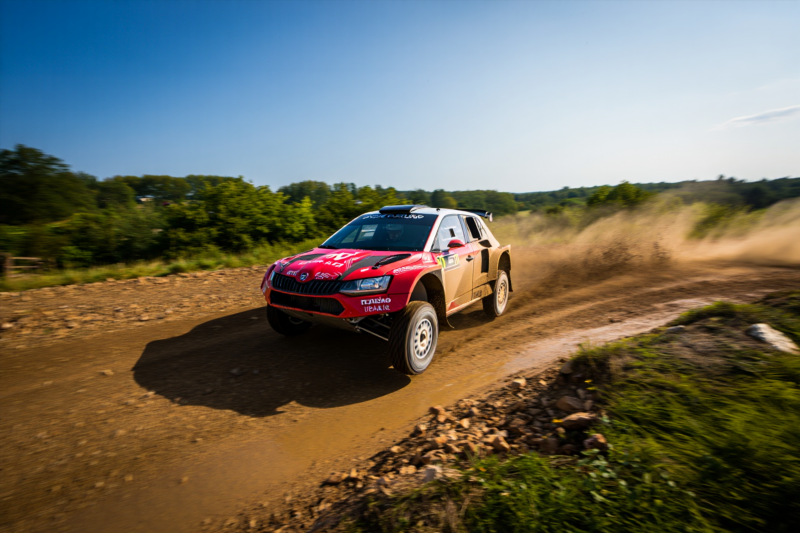
In the high-octane world of rally racing, fine-tuning your vehicle’s setup can make the difference between victory and defeat. Whether you’re competing on rugged dirt roads or challenging tarmac stages, understanding the core principles of rally car setup—especially damping and ride height—can significantly enhance your handling, stability, and overall speed. This comprehensive guide is designed to help racers, teams, and enthusiasts grasp the essentials of rally car setup, empowering you to optimize performance through precise adjustments.
Why Proper Rally Car Setup Matters
A well-setup rally car provides better grip, control, and responsiveness, enabling drivers to navigate varied terrains with confidence. Here’s why setup is critical:
- Enhanced Handling: Correct suspension and ride height adjustments improve steering precision.
- Increased Speed: Optimized damping and ride height reduce body roll and weight transfer, allowing quicker cornering.
- Better Control: Proper setup maintains stability through jumps, bumps, and uneven surfaces.
- Reduced Tire Wear: Proper alignment and damping extend tire life, ensuring consistent performance.
Core Components of Rally Car Setup
1. Ride Height: The Foundation of Stability and Clearance
Definition: Ride height refers to the distance between the lowest point of the chassis and the ground.
Importance:
- Determines ground clearance for varied terrain.
- Influences center of gravity, affecting handling and rollover risk.
- Affects aerodynamics and balance.
Optimal Settings:
| Terrain Type | Ride Height Adjustment |
| Gravel and dirt | Higher to prevent bottoming out on uneven surfaces. |
| Tarmac | Slightly lower for improved aerodynamics and grip. |
| Mixed conditions | Adjust based on stage characteristics and driver preference. |
Best Practices:
- Use consistent measurements across all four corners.
- Periodically check ride height as suspension wears over time.
- Adjust incrementally (e.g., 5mm) to test handling changes.
2. Damping: Controlling Suspension Response
Definition: Damping regulates how quickly your suspension compresses and rebounds after impacts.
Types of Damping:
| Damping Type | Function | Adjustments |
| Compression damping | Controls how the suspension absorbs bumps during compression. | Softer reduces body pitch; stiffer improves stability. |
| Rebound damping | Governs how fast the suspension extends after compression. | Softer allows more movement; stiffer resists oscillation. |
Why Damping is Critical:
- Maintains tire contact with the surface.
- Absorbs shocks from uneven terrain.
- Prevents excessive body roll and pitch.
Tuning Tips:
- Start with manufacturer recommended settings.
- Adjust damping settings based on terrain: softer for rough stages, stiffer for tarmac.
- Use rebound adjustments to prevent bouncing after jumps.
- Test during practice runs to find a balance between comfort and control.
Practical Steps for Rally Car Setup Optimization
Step 1: Assess the Stage and Terrain
- Determine predominant surface types.
- Anticipate bumps, jumps, and tight corners.
Step 2: Set Ride Height
- Use a reliable measuring gauge.
- Adjust ride height at all four corners for even balance.
- Lower ride height on smoother surfaces; raise it on rough terrain.
Step 3: Fine-Tune Damping
- Start with baseline factory settings.
- Adjust compression and rebound damping during testing:
- Softer settings for loose or bumpy stages.
- Stiffer settings for high-speed tarmac sections.
Step 4: Monitor and Adjust
- Pay attention to driver feedback.
- Use real-time performance data when available.
- Make incremental adjustments, noting each change’s effect.
Frequently Asked Questions
How does ride height affect rally car handling?
A higher ride height increases ground clearance, which is advantageous on rough terrain but can negatively impact aerodynamics and cornering stability. Conversely, a lower ride height improves grip and responsiveness on tarmac but risks bottoming out on uneven surfaces.
Can I modify damping settings myself?
Yes. Many modern rally suspension systems offer adjustable damping. However, understanding the relationship between damping and handling is crucial. For best results, consult your vehicle’s manual and consider professional tuning sessions.
How often should I check and adjust setup components?
Regularly inspect ride height and damping settings before every stage or test run. As suspension components wear and tires change, periodic adjustments are necessary to maintain optimal performance.
Mastering rally car setup fundamentals like damping and ride height empowers drivers to handle diverse terrains with confidence and speed. Thoughtful adjustments rooted in understanding vehicle dynamics can unlock hidden performance and give you an edge over the competition. Remember, the key to success lies in meticulous tuning, consistent testing, and listening to your vehicle’s feedback.
Ready to enhance your rally racing? Dive into detailed setup analysis, experiment with damping and ride height adjustments, and transform your vehicle into a finely-tuned machine capable of conquering any stage. Your next victory could be just a setup tweak away.
Call to Action
Are you looking for professional guidance on rally car setup? Contact us today for expert tuning insights and personalized recommendations tailored to your car and racing conditions. Let’s elevate your rally performance to the next level!