NASCAR Race Tactics Explained Stages Cautions Pit Strategies
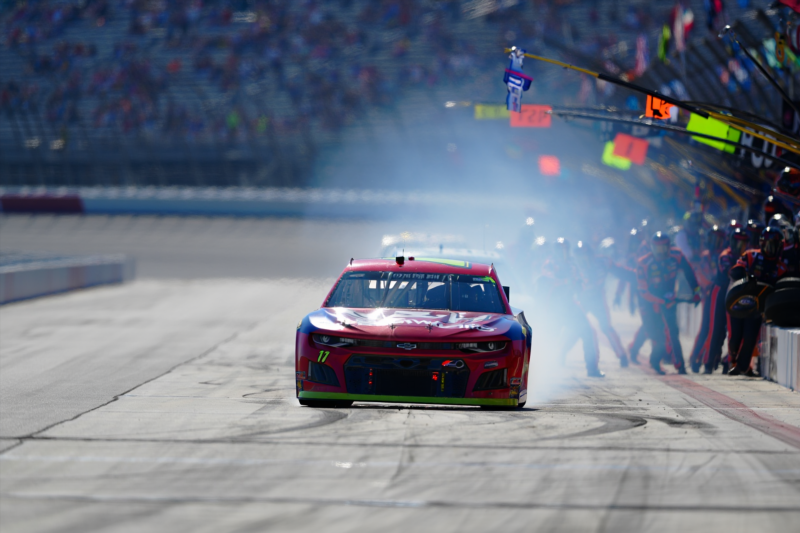
Understanding the intricacies of NASCAR race tactics is essential for fans, aspiring drivers, and teams aiming to elevate their grasp of the sport. From stage planning and caution management to strategic pit calls and daring gambles, each element plays a pivotal role in determining race outcomes. This comprehensive guide delves into how race strategies influence NASCAR performances and offers insights to sharpen your race understanding.
The Foundations of NASCAR Race Strategy
NASCAR racing is a complex chess game where every decision can turn the tide. To appreciate this, it’s vital to understand the core components that compose a successful race plan:
- Stage Planning
- Caution Management
- Pit Call Strategies
- Gamble Maneuvers
Stages: Structuring the Race for Success
What Are NASCAR Stages?
Since the introduction of stage racing in 2017, NASCAR divides races into multiple segments or “stages”—typically two or three—each offering additional scoring opportunities. Stages focus strategic attention on endurance management, pit timing, and position control.
Why Are Stages Important?
- Points Optimization: Drivers earn playoff points at the end of each stage, incentivizing strategic staging.
- Race Flow Control: Stages allow for planned cautions, influencing pit timing and tire wear.
- Risk Management: Drivers and teams can choose to conserve tires or push aggressively depending on stage position and race context.
Strategic Implications of Stages
Teams often adjust their strategies mid-race based on stage positioning, tire wear, and fuel considerations to maximize both stage and race victory chances.
Caution Flags: The Double-Edged Sword
The Role of Cautions in NASCAR
Cautions are inevitable in NASCAR—prompted by wrecks, debris, or unsafe conditions—that pause the race, freeze positions, and reset strategies.
Managing Cautions for Advantage
- Anticipating Cautions: Skilled teams monitor race conditions and track behavior to predict and capitalize on caution periods.
- Using Cautions Strategically: Sometimes, drivers slow down for fuel or tires, while others may pit under caution to gain track position.
Caution Timing and Strategy
Timing of cautions influences pivotal decisions:
| Caution Type | Strategic Use |
| Early Cautions | Allow for pit stops and tire resets, saving fuel for later |
| Late Cautions | Can be a game-changer, forcing final gambles and pushes |
Pit Stop Strategies: The Heart of Race Management
Importance of Pit Stops
Efficient pit stops are crucial; quick, well-timed decisions on tires, fuel, and repairs can lead to significant advantages or setbacks.
When and Why to Pit
Teams weigh factors such as:
- Tire Wear: Worn tires reduce speed and handling.
- Fuel Levels: Running out of fuel prompts pit stops.
- Track Position: Gaining or losing positions depends on pit cadence.
Pit Call Tactics
Successful pit strategies involve:
- Scheduled Pits: Following planned pit cycles to maintain momentum.
- Unscheduled Pits: Reacting to caution periods or issues on track.
- Two-Tire vs. Four-Tire Changes: Balancing speed gain versus grip.
Pit Stop Timing Table
| Timing Consideration | Strategy Benefit | Risk |
| Early pit under green | Fresh tires, better handling early in race | Losing track position early |
| Under caution | Maximize gains with minimal time lost | Pit lane congestion or penalties |
| Last few laps | Critical for final push or defense | Mistakes can cost race or positions |
Gambles and Risk Management: Daring Moves That Define Races
When Teams Take Risks
Strategic gambles—like staying out longer on tires or gambling on lap-landing late pushes—can pay off, especially in close finishes or when race leaders are trapped behind slower cars.
Examples of Race Gambles
- Staying Out on Old Tires: Perhaps risking reduced grip for track position.
- Late-Stage Fuel Strategies: Betting on fuel conservation for a push to the finish.
- Undercut or Overcut: Calculated pit timing to gain or defend positions against competitors.
Influence on Race Outcomes
While risks can lead to victory, poorly judged gambles may result in misfortune, emphasizing the importance of timing, track conditions, and driver skill.
Understanding how stages, cautions, pit calls, and gambles interplay provides a richer appreciation of NASCAR racing. Teams and drivers meticulously craft these strategies, balancing risk and reward in real time to outsmart opponents.
Key Takeaways
- Strategic stage planning advances overall race position and scoring.
- Caution timing can either save or sabotage race plans.
- Efficient pit stops are critical, with timing and execution making or breaking a race.
- Calculated gambles add excitement but carry inherent risk.
By mastering these concepts, fans and enthusiasts can interpret race developments more effectively, turning each race into an engaging analytical experience.
Frequently Asked Questions (FAQs)
How do teams decide when to pit during a race?
Teams consider factors like tire wear, fuel levels, cautions, track position, and race context. They analyze real-time data and past experience to time pit stops optimally.
What are the key differences between stage racing and traditional NASCAR races?
Stage racing segments the race into multiple parts, offering additional points and strategical breaks, changing how teams plan their pit stops and driving style.
Can a driver win without optimal pit stops?
While possible, consistent success heavily depends on excellent pit work. Poor pit stops often cost valuable seconds and positions.
How do cautions influence race strategy?
Cautions provide opportunities to pit without losing as much time, reset tire wear, or gain track position, but timing is crucial to leverage their full advantage.
By integrating race psychology, split-second decision-making, and deep strategic planning, NASCAR continues to captivate audiences worldwide. Understanding these strategies transforms a mere race into a compelling contest of wit and daring.