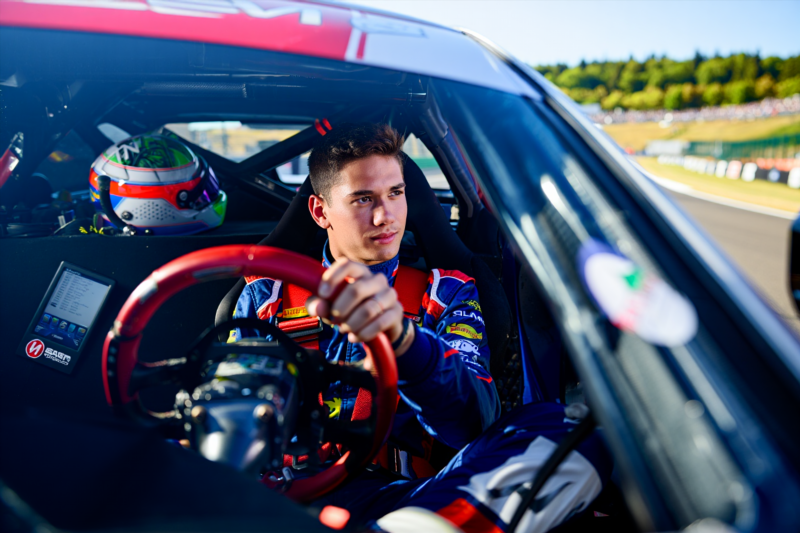
Manage 24 Hour Race Driver Rotations for Optimal Performance
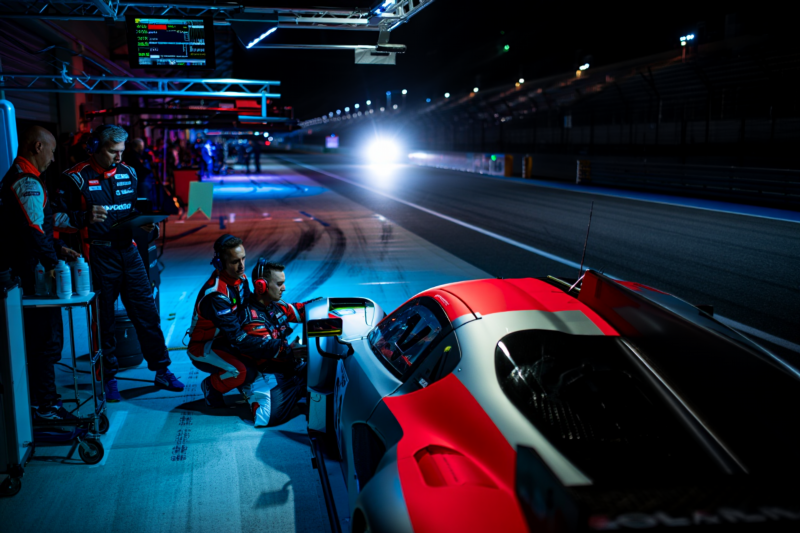
In high-stakes endurance racing such as the 24 Hours of Le Mans, Rolex 24, or WEC events, managing driver rotations is a strategic keystone that can determine victory or defeat. Prolonged racing exposes drivers to extreme physical and mental fatigue, which can significantly impair performance, safety, and teamwork. Effective rotation management ensures drivers remain within optimal fatigue thresholds, maintaining consistent pace and responsiveness throughout the marathon. This article explores proven strategies and best practices for overseeing 24-hour race driver rotations to optimize team performance while safeguarding driver well-being.
Understanding the Challenges of 24-Hour Endurance Racing
The Physical Demands on Drivers
Endurance racing pushes drivers beyond typical race durations, requiring sustained focus, strength, and endurance. Physically, drivers face:
- Extreme G-forces during aggressive cornering
- High skin and core temperatures leading to dehydration
- Muscular fatigue, especially in neck, back, and arms
- Sleep deprivation effects
The Mental Toll
Cognitive fatigue is equally impactful, manifesting as:
- Reduced reaction times
- Impaired decision-making
- Decreased situational awareness
- Increased risk of errors and accidents
Impact on Race Performance
If fatigue is underestimated or poorly managed:
- Pace consistency diminishes
- Pit stop efficiency may drop
- Critical strategic decisions can become compromised
- Safety risks escalate
Thus, strategic driver rotation becomes integral to endurance racing success.
Strategies for Effective Driver Rotation Management
1. Establishing a Rotation Schedule Based on Driver Fitness and Race Demands
Key Actions:
- Analyze individual driver endurance profiles
- Allocate shorter stints for less experienced drivers
- Allow longer stints for seasoned racers, balanced with recovery periods
- Use pre-race simulations to tailor rotation timing
Best Practice: Design a flexible schedule that accounts for real-time race developments and driver condition monitoring.
2. Incorporating Fostered Rest and Recovery Periods
Rest Strategies:
- Allocate adequate off-track rest for drivers between stints
- Use cooling zones, hydration stations, and nutrition to aid recovery
- Minimize unnecessary distractions during rest periods to maximize recuperation
Insight: Research shows that even short, quality rest periods can significantly reduce fatigue buildup, maintaining driver alertness.
3. Monitoring Driver Vital Signs and Performance Data in Real-Time
Technology Use:
- Wearable telematics devices monitor heart rate, hydration status, and fatigue indicators
- Strategically placed sensors assess driver alertness
- Data analytics alert pit wall to signs of fatigue or declining performance
Outcome: Real-time monitoring enables proactive rotation adjustments, preventing fatigue-related errors.
4. Implementing Effective Communication and Team Coordination
Best Practices:
- Clear communication protocols for driver updates and feedback
- Use data-driven insights to decide on rotation timing
- Foster team cohesion to ensure seamless driver exchanges
Benefit: A cohesive team minimizes transition times and maximizes driver readiness.
5. Leveraging Strategy Models and Simulation Tools
- Use simulation software to model race scenarios and optimal rotation points
- Test different strategies pre-race to determine the most effective rotation patterns
Result: Data-backed strategies help in balancing pace, tire and fuel management, and driver fatigue.
Practical Tips and Best Practices for Managing Race Driver Rotations
| Tip | Explanation |
| Rotate Drivers Frequently | Switch drivers before fatigue sets in; typically every 1-2 hours, adjusted per driver endurance. |
| Maintain Hydration and Nutrition | Encourage consistent fluid and calorie intake during pit stops. |
| Customize Stint Lengths | Tailor based on driver experience, performance metrics, and race conditions. |
| Conduct Pre-Race Briefings | Ensure drivers understand the importance of maintaining alertness. |
| Use Data Analytics | Continuously analyze real-time data for rotation decisions. |
| Keep a Flexible Plan | Adapt rotations dynamically based on race developments. |
Frequently Asked Questions (FAQs)
How long should a driver stay on track during a 24-hour race?
Optimal stint length varies based on driver fitness, environmental conditions, and race pace but generally ranges from 1 to 2 hours. Seasoned endurance racers prioritize shorter, more manageable stints to prevent fatigue accumulation.
What indicators signal that a driver needs to be rotated?
Signs include decreased reaction times, inconsistent lap times, muscle fatigue, yawning, laps missed, or laps with errors. Continuous real-time monitoring enhances detection.
How can teams prevent driver fatigue without sacrificing pace?
By balancing rotation frequency, ensuring proper hydration/nutrition, leveraging data analytics, and maintaining open communication, teams sustain high performance without risking driver safety.
What are the most effective tools for managing driver rotations?
- Wearable telemetrics
- Driver alertness monitoring systems
- Race strategy simulation software
- Communication devices
Managing 24-hour race driver rotations effectively is a multidimensional challenge that blends strategic planning, technological integration, and team coordination. By understanding the physical and mental demands placed on drivers, implementing data-driven rotation schedules, prioritizing recovery, and fostering seamless communication, teams can maintain a high, consistent pace throughout the grueling race. Ultimately, optimizing driver rotation strategies not only enhances team performance but also safeguards driver health and safety—the foundation for endurance racing victory.
Take Action Today: Analyze your team’s current driver management approach and consider integrating real-time monitoring and flexible rotation planning to elevate your endurance racing results. The relentless pursuit of performance begins with strategic driver rotation management.