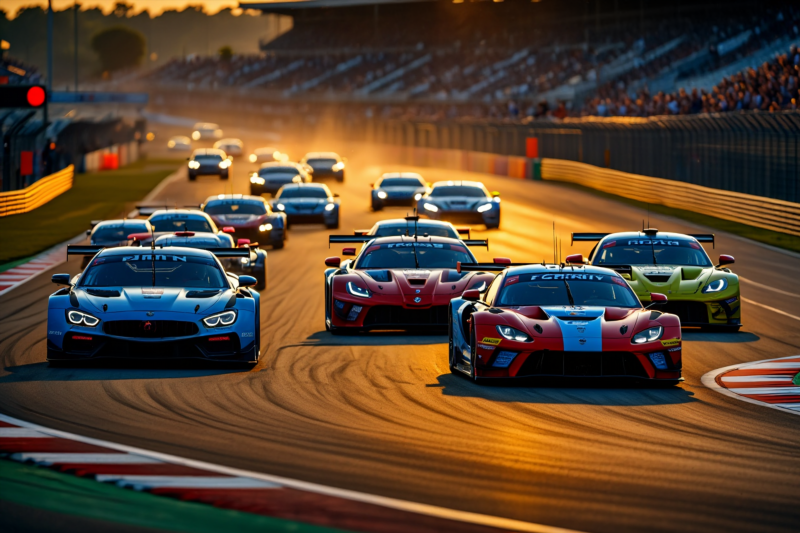
IndyCar Versus F1 Racecraft Strategies for Overtaking and Tire Use
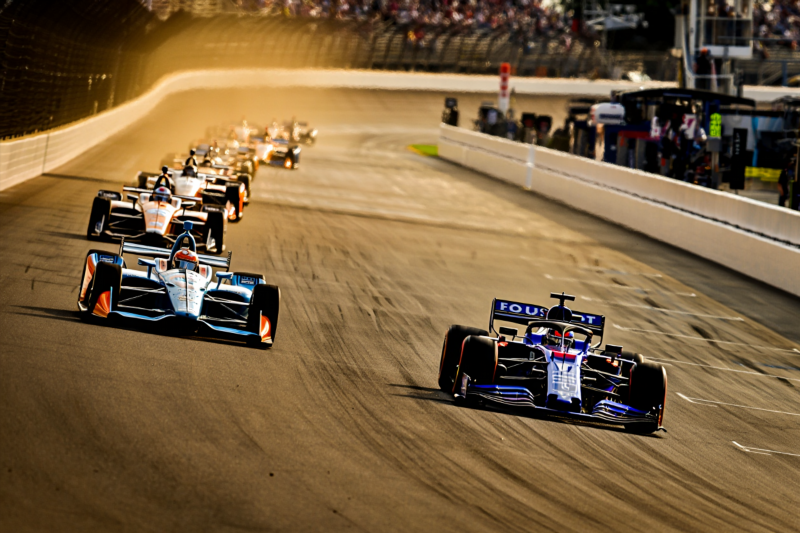
Understanding the nuances of high-performance motorsport requires a deep dive into the racecraft— the art and science of racing tactics used by drivers to gain an advantage. When comparing IndyCar and Formula 1, two premier racing series, it’s essential to recognize that each has developed unique strategies for overtaking, tire management, and overall race execution. This article explores these critical differences, offering insights into how drivers craft their race approaches to optimize performance, surpass rivals, and ensure endurance over the duration of demanding races.
Key Differences in Racecraft Between IndyCar and F1
At the core, both series demand exceptional skill, precision, and strategic thinking. Yet, their distinct engineering, rules, and race formats influence how drivers approach overtaking and tire management. Here, we breakdown these differences.
1. Overtaking Strategies: Approaches for Passing Rivals
IndyCar
- Close-Quarters Scramble: IndyCar races often feature tightly packed packs due to their oval and road course blend. Drivers frequently rely on high-risk, high-reward dives into corners, particularly on oval tracks, where drafting and slipstreaming are critical.
- Drafting and Slipstreaming: A hallmark of IndyCar overtaking is using drag reduction via drafting—drivers position themselves behind a rival to reduce air resistance before making a quick move on the straight or into a corner.
- Dynamic Corner Battles: Pascal strategies, such as late-braking or timed throttle lifts, are designed to exploit slipstream advantages and set up overtakes on subsequent laps.
Formula 1
- Precision and Timing: F1 drivers focus on perfectly timed overtakes—using the DRS (Drag Reduction System) zones, which provide a significant speed boost when within a certain distance behind the opponent.
- Strategic Layer: Overtaking often depends on pitting strategies and tire compounds, with drivers waiting for the right moment when fresher tires give them the advantage.
- Corner-specific Tactics: F1 drivers utilize micro-movements and precise corner exits to outbrake rivals and set up follow-up maneuvers, especially in high-downforce circuits.
Tire Management: From Fuel Strategy to Tire Degradation
Effective tire management is a cornerstone of racecraft, enabling drivers to maintain peak performance across different conditions and race duration.
2. How IndyCar and F1 Handle Tire Strategy Differently
| Aspect | IndyCar | Formula 1 |
| Tire Compounds | Limited options, often designed for durability combined with performance, with tire changes mainly for safety or strategic purposes | Multiple compounds (hard, medium, soft) that influence the pace and pit-stop strategy, with more aggressive degradation management |
| Tire Changes | Longer stint lengths, fewer pit stops, especially on oval tracks; tire preservation vital for endurance | Frequent pit stops, with tire changes often integral to overall race strategy—especially in sprint races |
IndyCar Tire Strategy
- Drivers aim to preserve tire life on ovals and road courses, balancing aggression with conservation.
- Races often involve single pit stops to minimize time loss, emphasizing planning in tire cooling and heating cycles.
- Fuel and tire combo strategies are simplified but crucial, with drivers adjusting pace to elongate stint length.
F1 Tire Strategy
- Drivers frequently change tires multiple times due to faster degradation of softer compounds.
- Strategic use of DRS zones and tires’ temperature window can make or break overtaking opportunities.
- Managing tire wear through real-time adjustments—like throttle modulation and brake balance—is vital for maintaining optimal grip.
The Performance Impact: How Strategy Shapes Race Outcomes
Overtaking Maneuvers
- In IndyCar, overtaking is often a high-risk gamble, especially on oval tracks where drafting rules dominate.
- F1 drivers leverage technology aids like DRS and intricate pit-stop timing to execute calculated passes.
Tire Use and Race Stability
- IndyCar’s reliance on longer stints promotes consistent pace and endurance, making racecraft about endurance and consistency.
- F1’s multi-pit strategies demand adaptability and quick decision-making, as tire wear can rapidly change race standings.
FAQs: Impact of Racecraft Nuances on High-Speed Motorsport
Q1: Why do IndyCar and F1 have different overtaking tactics? IndyCar’s reliance on pack racing and high-speed drafting, especially on oval tracks, contrasts with F1’s emphasis on technical cornering, DRS, and precise timing, driven by circuit complexity and car design differences.
Q2: How critical is tire management in race strategy? Very critical. Poor tire management can lead to increased degradation, slower lap times, and pit-stop penalties, directly affecting race position and sustainability.
Q3: Which series is more challenging in overtaking? Both are challenging but differently so: IndyCar tests drivers’ daring and endurance in close-quarters racing, while F1 demands exceptional precision, timing, and strategic planning.
Understanding the strategic distinctions between IndyCar and Formula 1 reveals much about each series’ unique demands and the drivers’ adaptations. Whether it’s the aggressive, pack-based overtaking of IndyCar or the precision-driven maneuvers of F1, mastering these tactics is essential for pushing performance boundaries.
For race enthusiasts and aspiring racers, delving into these strategies enriches the appreciation of high-speed motorsport. By analyzing racecraft, drivers and teams can optimize their approach, turning knowledge into a tangible advantage on race day.
Want to stay ahead with in-depth racing analysis, driver insights, and technical breakdowns? Subscribe now to RaceRhythm and elevate your motorsport knowledge!