Formula 1 Tire Wear Explained How to Control Grain and Blistering
What the Site is About
RaceRhythm is a high-performance motorsport platform that dives deep into the world of racing. Covering premier series such as Formula 1, WEC, IndyCar, NASCAR, rally, endurance racing, karting, and emerging series, we bring you comprehensive insights into the sport. Our content includes detailed race analysis, driver performance evaluations, engineering breakdowns, strategic models, tire and fuel management concepts, car development updates, team dynamics, and real-time performance data. RaceRhythm is dedicated to providing enthusiasts and professionals with the knowledge needed to understand the complex world of motorsport and elevate their appreciation of racing’s nuances.
Formula 1 Tire Wear Explained: How to Control Grain and Blistering
Tire management is a crucial component in Formula 1 performance. As teams and drivers aim to maximize grip and durability, understanding the underlying causes of tire degradation—such as grain formation and blistering—is essential. This guide explores effective techniques to control tire wear and improve race performance through strategic heat management and tire care.
What Causes Tire Degradation in Formula 1?
In Formula 1, tires are subjected to extreme forces and temperature fluctuations that can cause two main types of degradation:
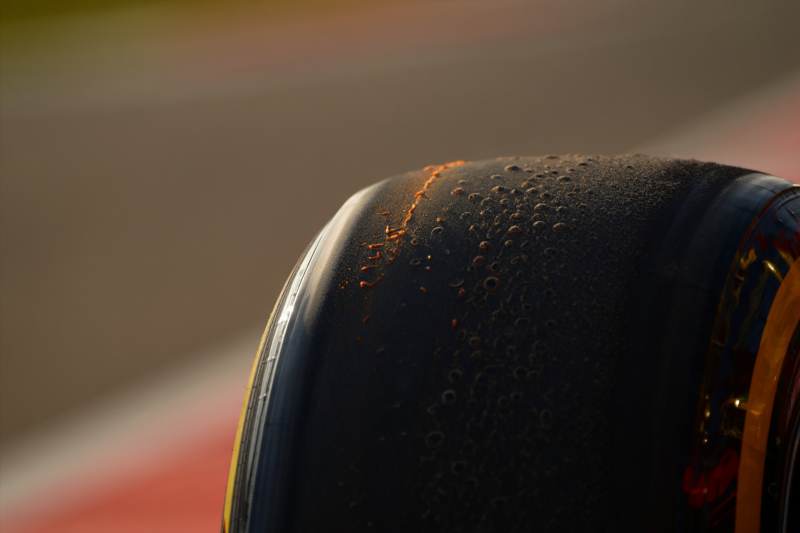
- Graining: Tiny rubber fragments forming on the tire surface, resulting from excessive heat cycling and improper driving style.
- Blistering: Raised, bubble-like formations caused by excessive heat leading to localized rubber separation, often resulting from overheating or chemical issues.
Understanding these phenomena allows teams and drivers to implement specific strategies to mitigate their effects.
How to Control Grain Formation
Graining impacts tire grip and lap times by reducing contact patch efficiency. Here’s how to control it:
| Strategy | Explanation | Benefits |
| Optimized Driving Style | Smooth, consistent throttle application and minimal abrupt steering inputs reduce excessive heat buildup. | Less heat cycles limit grain formation, maintaining grip. |
| Proper Tire Pressure | Maintaining ideal pressures prevents uneven wear and excessive heating. | Ensures even contact patch and reduces graining risk. |
| Temperature Management | Using tire blankets pre-race and heat cycling appropriately before the stint helps keep tires within optimal temperature ranges. | Minimizes overheating and rubber degradation. |
Practical Tips:
- Gradually warm up tires to their optimal temperature window.
- Avoid aggressive driving during initial laps to prevent premature grain formation.
- Monitor tire temperature data continuously during the race to adjust driving style accordingly.
How to Prevent Blistering
Blistering is more severe, indicating dangerous overheating that can cause race-altering failures. Here’s what to do:
| Strategy | Explanation | Benefits |
| Effective Heat Dissipation | Using correct tire pressure and suspension setup to promote heat transfer away from tires. | Maintains safer tire temperatures, reducing blister risk. |
| Tire Compound Selection | Choosing compounds suited to track temperature and weather conditions. | Helps keep tires within safe thermal limits. |
| Cooling Techniques | Utilizing cool-down laps and avoiding excessive tire heating during high-speed runs. | Prevents excessive heat buildup that leads to blistering. |
Quick Tips for Drivers:
- Keep a consistent pace to avoid heating tires unevenly.
- Avoid lengthy drifting or sliding maneuvers that increase surface temperature.
- Communicate with the pit wall about tire temperature trends.
Advanced Thermal Management Techniques
To elevate tire performance and durability, teams employ several high-tech thermal control strategies:
- Tire Temperature Monitoring Sensors: Real-time data enables proactive adjustments.
- Strategic Tire Cooling: Using adjustable brake cooling and ambient conditions to control tire heat.
- Tire Blanket Usage: Pre-conditioning tires to optimal temperature before deployment on track.
Final Thoughts
Controlling tire wear in Formula 1 is an intricate balance of driver skill, engineering precision, and strategic planning. By understanding the causes of grain formation and blistering—and applying targeted heat management techniques—you can significantly enhance tire grip and longevity. This not only improves lap times but also ensures safer, more consistent performance across the race duration.
Frequently Asked Questions
Why do tires grain in Formula 1?
Graining occurs when tires overheat or are subjected to aggressive driving styles, causing rubber to break into tiny fragments. Proper driving technique and temperature management are essential to prevent it.
What are the signs of blistering on tires?
Blistering appears as raised bubbles or bulges on the tire surface, often accompanied by excessive heat and a loss of grip. It’s a clear indicator of overheating and potential tire failure.
How important is tire pressure for thermal management?
Extremely important. Correct tire pressures ensure proper contact patch, prevent uneven wear, and reduce overheating, which is vital for controlling grain and blistering.
Can weather conditions influence tire degradation?
Absolutely. Hot, humid, or track-temperature variations directly impact tire temperatures, affecting the likelihood of grain formation and blistering. Adjusting strategies accordingly is critical.
Unlock the Power of Advanced Tire Management
At RaceRhythm, we believe that mastery over tire behavior transforms racing performance. Dive deeper into our expert guides, real-time data analysis, and strategic insights — your winning edge in the high-speed world of Formula 1. Explore our guide today and take control of your race!
Ready to elevate your racing knowledge? Join our community for exclusive insights, expert commentary, and the latest in motorsport innovation.