Driver transfers impact team growth and feedback strategies
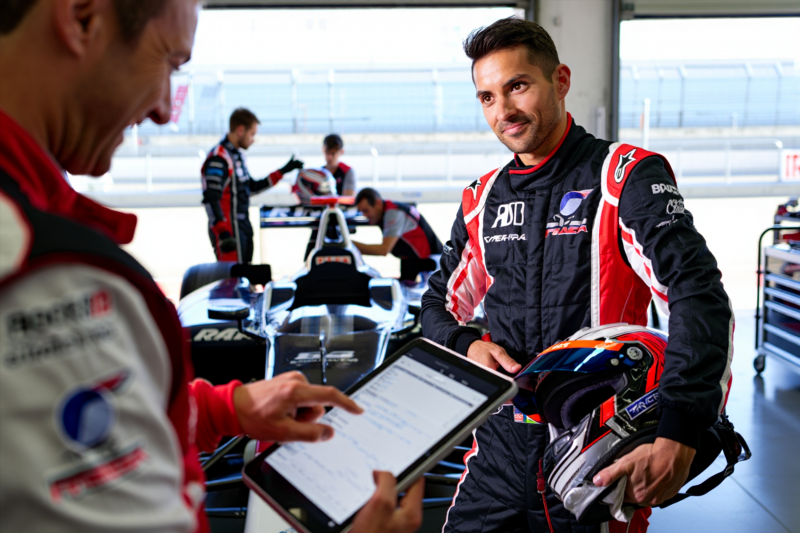
Driver Transfers Impact Team Growth and Feedback Strategies
In the high stakes world of motorsport, every decision can be the difference between victory and loss. Among these, driver transfers stand out as pivotal moments that influence not only team competitiveness but also internal dynamics and strategic planning. At RaceRhythm, we understand that seamless driver transitions are crucial for sustained success, whether in Formula 1, WEC, IndyCar, NASCAR, rally, endurance racing, karting, or emerging racing series. This article explores how driver transfers significantly shape team feedback mechanisms and development strategies, providing valuable insights for personnel planning and operational excellence.
Understanding the Significance of Driver Transfers in Motorsport
Why Are Driver Transfers So Critical?
Driver transfers involve complex considerations—talent evaluation, team compatibility, sponsorship obligations, and long-term strategic goals. When executed correctly, they can:
- Bring fresh skills and perspectives to the team.
- Enhance overall performance and competitiveness.
- Foster innovation through diverse driver feedback.
Conversely, poorly managed transfers can cause disruptions, erode team harmony, and hinder development trajectories.
How Driver Transfers Influence Team Feedback and Development Strategies
1. Shaping Internal Feedback Dynamics
Driver transfers introduce new voices and insights into the team. Every driver has a unique feedback style influenced by their experience, driving philosophy, and technical understanding. Integrating these diverse perspectives enables teams to:
- Fine-tune car setups more effectively.
- Accelerate innovation in engineering and aerodynamics.
- Improve race strategies based on fresh insights.
However, transitioning drivers requires careful communication to ensure feedback aligns with the team’s development goals without causing friction.
2. Impact on Technical and Strategic Decision-Making
New drivers often spot subtleties that previous personnel might overlook. Their direct feedback influences:
- Tire and fuel management strategies.
- Car development focus areas.
- Race-day tactical decisions.
Teams must adapt their decision-making processes to leverage the driver’s expertise while maintaining a cohesive development plan.
3. Promoting Cultural and Mental Adaptability
Driver transfers challenge team cohesion and culture. Successful integration depends on the team’s ability to:
- Facilitate effective onboarding and cultural alignment.
- Encourage open communication channels.
- Foster an environment where driver feedback is valued and acted upon.
These elements are vital for continuous development and refining feedback strategies.
Strategic Considerations for Effective Driver Personnel Planning
Key Factors for Managing Driver Transfers
| Factor | Description | Actionable Insight |
| Compatibility | Assess technical skills and personality fit | Conduct thorough interviews and simulation testing |
| Long-term Vision | Align driver selection with team’s future goals | Use strategic planning tools |
| Feedback Integration | Ensure the driver’s feedback enhances development processes | Implement structured feedback loops |
| Cultural Fit | Promote team cohesion and mental adaptability | Foster team-building and communication training |
Proactive Solutions for Managing Driver Transitions
- Data-Driven Selection: Use performance analytics and driver profiling to identify optimal matches.
- Transparent Communication: Keep all stakeholders informed to minimize uncertainties.
- Onboarding Programs: Establish comprehensive onboarding to integrate new drivers effectively.
- Continuous Feedback Mechanisms: Regularly review driver input to adapt team strategies dynamically.
Why Effective Driver Transition Planning Matters
In racing series like Formula 1, where milliseconds count, and in endurance racing with long-term strategic objectives, driver transfers can dramatically influence team feedback systems and development pathways. Thoughtful personnel planning ensures the right talent is in place to drive innovation and performance, while seamless integration maximizes the value of driver insights.
Explore Solutions Today for a Competitive Edge
Are you ready to leverage driver transfers for team growth? Integrate strategic personnel planning, streamline feedback mechanisms, and foster a culture of continuous development. By doing so, your team can stay ahead of the competition, adapt swiftly to industry changes, and realize long-term success.
Contact RaceRhythm today to discover tailored solutions that optimize driver transfers and elevate your racing operations. Together, we can craft strategies that turn transitions into opportunities for growth and innovation.
Frequently Asked Questions
Q1: How can I reduce risks associated with driver transfers? Implement comprehensive evaluation processes including performance analytics, personality assessments, and simulated testing to ensure compatibility and minimize disruptions.
Q2: What role does data play in managing driver feedback? Data provides objective insights into driver performance and feedback quality, enabling teams to make informed decisions and adapt strategies in real time.
Q3: How do driver transfers influence team morale? Proper onboarding, transparent communication, and fostering a culture of collaboration are essential for maintaining morale during transitions.
Q4: Can driver transfers lead to long-term team development? Absolutely. When handled strategically, driver transfers bring in fresh perspectives, accelerate innovation, and strengthen the team’s competitive edge.
Harnessing the power of driver transfers with effective planning unlocks immense potential for team growth and strategic agility. Stay ahead in the competitive motorsport landscape by prioritizing your personnel strategy today.