Data Analysis for Drivers to Enhance Racing Speed
Unlock Your Potential: The Power of Race Telemetry Metrics
In high-performance motorsport, every millisecond counts. Drivers and teams alike rely on detailed data analysis to unlock faster lap times, optimize car performance, and gain a competitive edge. At RaceRhythm, we understand that turning raw telemetry data into actionable insights is essential for elevating your racing game. This guide explores how analyzing telemetry metrics can dramatically improve your speed and efficiency on the track.
Why Telemetry Data Matters in Motorsport
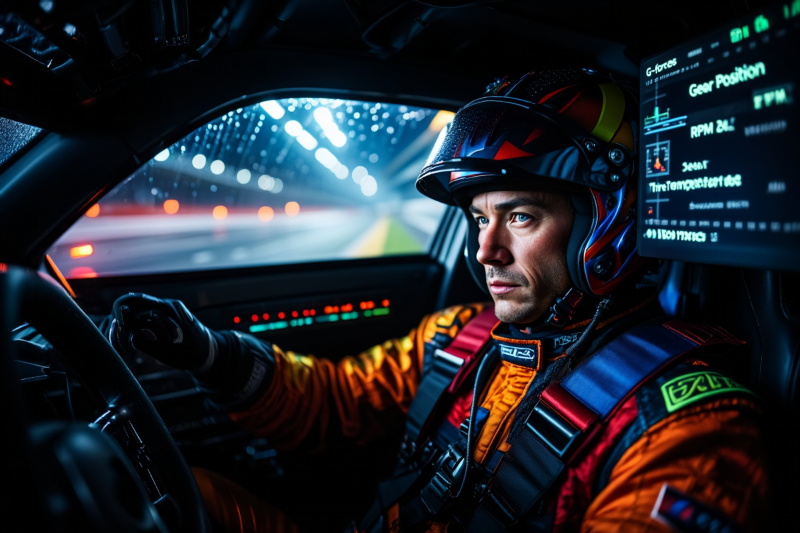
Telemetry data captures real-time information about every facet of your vehicle’s performance. From engine temperatures to steering angles, each metric provides critical insight into how your car responds under various conditions. When effectively analyzed, this data helps drivers identify strengths, pinpoint weaknesses, and make informed adjustments.
Key Benefits of Telemetry Analysis:
- Enhanced Lap Times: Identify and eliminate performance bottlenecks.
- Better Driving Consistency: Develop routines that maximize stability and control.
- Strategic Edge: Adapt driving style based on track and weather conditions.
- Vehicle Understanding: Recognize mechanical issues before they escalate.
Essential Telemetry Metrics to Improve Laptimes
Understanding which telemetry metrics matter most allows drivers to focus their analysis efforts effectively. Here are the critical data points that can lead to faster lap times:
| Telemetry Metric | Purpose and Impact |
| Lateral and Longitudinal G-Forces | Measure grip levels and cornering efficiency to refine driving lines. |
| Throttle and Brake Pressure | Optimize throttle application and braking points for smoothness and speed. |
| Brake Temperatures | Prevent brake fade, ensuring consistent braking performance race after race. |
| Steering Angle & Rate of Change | Fine-tune steering inputs for agility and stability, especially during complex corners. |
| Tire Temperatures and Pressures | Balance wear with grip, maximizing traction without risking blowouts. |
| RPM and Gear Selection | Align engine response with optimal power delivery for each segment. |
| Speed at Key Points | Analyze speed data at corners, straights, and braking zones for targeted improvements. |
Strategies to Use Telemetry Data for Performance Gains
Turning telemetry insights into tangible speed improvements involves a systematic approach:
1. Data Collection During Practice Runs
Capture high-quality telemetry data under different conditions. Use onboard data loggers and cameras to record all relevant metrics.
2. Data Comparison and Benchmarking
Compare your telemetry data segment-by-segment with top performers or your best laps to identify discrepancies and areas for improvement.
3. Identify Patterns and Correlations
Look for correlations between specific driver inputs and lap time fluctuations. For example, late braking combined with high G-forces may indicate room for earlier deceleration.
4. Implement Precision Adjustments
Apply data-driven modifications to driving style, such as adjusting braking points, throttle application, or steering input to maximize grip and minimize lap time.
5. Continuous Feedback Loop
Regularly review telemetry after each session, adjusting strategies and driving techniques accordingly, fostering continuous improvement.
How RaceRhythm Supports Drivers with Advanced Data Insights
At RaceRhythm, our platform offers comprehensive race analysis encompassing driver insights, engineering breakdowns, strategy modeling, tire and fuel management concepts, and real-time performance data. Our tools are designed to empower drivers and teams to leverage telemetry data effectively.
- In-Depth Race Analysis: Break down every lap with detailed telemetry reports.
- Performance Dashboards: View key metrics at a glance to identify quick wins.
- Real-Time Data Streaming: Make informed decisions during race simulations or actual events.
- Customized Strategy Models: Simulate different scenarios to find optimal race tactics.
Frequently Asked Questions
How does telemetry analysis improve my lap times?
By providing precise data on how your car behaves in real-time, telemetry analysis helps you identify inefficiencies in your driving and vehicle setup, leading to targeted improvements that shave seconds off your lap times.
Can telemetry data help during actual race conditions?
Absolutely. Real-time telemetry allows drivers and race engineers to make strategic adjustments on the fly, such as modifying braking points or tire management, which can be the difference between winning and losing.
What equipment do I need for effective telemetry analysis?
A high-quality onboard data logger, compatible sensors, and analysis software are essential. Many professional systems integrate seamlessly with racing dashboards, providing instant feedback to drivers.
How often should I review telemetry data?
Frequent review after each training session or race is recommended. Continuous analysis ensures consistent performance gains and quick adaptation to new track conditions.
In modern motorsport, data analysis is not just an advantage but a necessity. By meticulously studying telemetry metrics, drivers can pinpoint exactly where improvements can be made—whether it’s perfecting braking technique, refining corner entry, or optimizing tire pressures. Embrace the power of data with RaceRhythm’s expert insights and tools, and elevate your racing speed to new heights.
Explore our comprehensive guide today and start turning data into victories!