Aero Versus Mechanical Grip How It Impacts Your Racing Setup
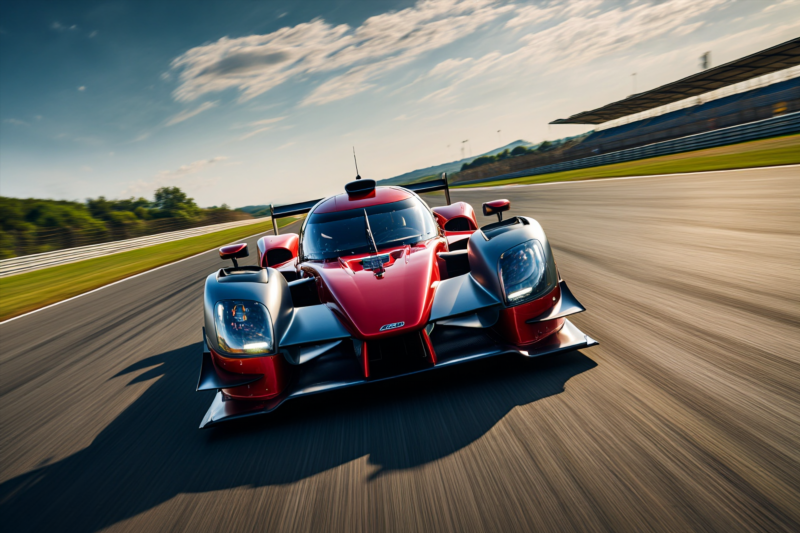
In the world of high-performance motorsport, understanding the interplay between aero grip and mechanical grip is essential for optimizing your race setup and unlocking faster lap times. Whether you’re competing in Formula 1, WEC, IndyCar, NASCAR, or emerging series like karting and rally racing, knowing how these grip sources influence handling, tire management, and strategy can be the difference between victory and defeat. This article delves into the fundamental differences between aero and mechanical grip, examines their roles in race strategy, and guides you on making informed setup choices to elevate your performance.
What Is Aero Grip?
Definition and Key Characteristics
Aero grip results from the aerodynamic forces acting on a vehicle’s bodywork and surfaces at high speeds. It is primarily generated by elements such as front and rear wings, diffusers, and other aerodynamic devices designed to manipulate airflow for increased downforce.
How Aero Grip Influences Handling
- Increased Downforce: Enhances tire grip by pressing the car onto the track surface, especially at high speeds.
- Stability: Improves cornering stability and reduces body roll during aggressive turns.
- Balance Dependency: Aero grip is highly sensitive to speed; it diminishes significantly at lower speeds, impacting handling and braking.
Benefits of Aero Grip
- Better traction at high speeds.
- Improved cornering speeds.
- Increased vehicle stability in fast corners.
Limitations of Aero Grip
- Adds aerodynamic drag, reducing top speed.
- Can cause handling irregularities if not properly balanced.
- Sensitive to track conditions and setup changes.
What Is Mechanical Grip?
Definition and Key Characteristics
Mechanical grip originates from the physical contact between tires and the track surface. It depends on tire compound, tread patterns, suspension geometry, and weight distribution.
How Mechanical Grip Influences Handling
- Consistent Performance: Less affected by speed, providing reliable traction during acceleration, braking, and cornering.
- Cornering Force: Generated by tire deformation and adhesion forces, fundamental at lower speeds or in tracks with less aerodynamic influence.
- Tire Management: Influences tire wear, temperature, and longevity.
Benefits of Mechanical Grip
- Steady handling across various speeds.
- Better control during low-speed cornering and braking.
- Less susceptible to aerodynamic dirty air effects and turbulence.
Limitations of Mechanical Grip
- Plateau in traction gains at high speeds.
- Limited increase in cornering speeds compared to aero-dependent setups.
- Tire degradation impacts overall grip over stint length.
How Aero and Mechanical Grip Affect Race Setup Choices
The Balance Between Aero and Mechanical Grip
The most effective racing setups often involve a balance between aero and mechanical grip tailored to the specific series, track conditions, and race strategy. Over-reliance on aero grip can lead to high top speeds but poor low-speed handling, while too much mechanical grip might limit maximum speed and aerodynamic efficiency.
Scenario-Based Setup Strategies
| Track Type | Emphasis on Aero Grip | Emphasis on Mechanical Grip | Typical Setup Implications |
| High-Speed Circuits | Very high | Moderate | Maximize downforce to improve cornering; reduce drag for top speed |
| Street or Short Circuits | Moderate | High | Lower downforce to optimize acceleration and braking; improve responsiveness |
| Rallies or Off-Road | Minimal | Maximal | Focus on suspension and tire setup for grip on varying surfaces |
Impact on Tire and Fuel Management
- Aero-rich setups may lead to higher tire wear due to increased downforce and cornering loads.
- Mechanical-focused setups could allow for more sustainable tire management, especially in endurance racing.
- Fuel strategy also correlates; aerodynamic setups might demand more fuel for longer straightaways, impacting pit strategy.
Making the Right Choice for Your Series
Factors to Consider
- Track Characteristics: Speed, turns, surface grip, and elevation changes.
- Race Length: Longer races favor setups with durable mechanical grip.
- Vehicle Dynamics: Suspension, weight distribution, and tire capabilities.
- Competition Strategy: Aggressive lap times versus consistent pace.
Tips for Optimizing Your Setup
- Assess Track Data: Use real-time telemetry and historical data to gauge the importance of aero versus mechanical grip.
- Test and Tweak: Run simulations and practice sessions focusing on both grip types.
- Monitor Tire Performance: Maintain optimal tire pressures and temperatures tailored to your grip emphasis.
- Adjust for Conditions: Adapt setups based on weather, surface changes, and in-race developments.
Common Reader Questions
How do I know if I should focus more on aero or mechanical grip?
- High-speed tracks with long straights: Prioritize aero for increased downforce and top speed.
- Technical, twisty circuits: Increase mechanical grip to improve responsiveness and traction at lower speeds.
- Variable conditions or endurance races: Balance both to ensure consistency and adaptability.
Can I improve both types of grip simultaneously?
Absolutely. Modern race cars are engineered for a fine-tuned balance. Adjustments like flexible aerodynamic elements and optimized suspension systems allow you to enhance both, depending on tactics and real-time track needs.
How do changes in grip type affect tire wear and fuel consumption?
- Aero-heavy setups: Tend to increase tire wear due to higher downforce and aggressive cornering, possibly requiring tire management strategies.
- Mechanical-focused setups: Often more conservative, leading to more uniform tire wear and potentially better fuel efficiency.
Final Thoughts
Aero versus mechanical grip is a foundational concept that significantly influences your racing setup decisions. By understanding how each type of grip impacts handling, tire wear, and overall performance, you can craft a setup tailored to your series, track conditions, and racing goals. Whether you aim for maximal speed or optimal control, mastering the balance between aero and mechanical grip will enable you to push the limits and emerge victorious.
Boost your racing strategy today: Analyze your upcoming race’s unique demands and fine-tune your setup by emphasizing the right grip sources. Remember, the key to consistent, high-performance racing lies in understanding and leveraging the dynamic interplay between aero and mechanical grip.
Stay tuned to RaceRhythm for in-depth analysis, driver insights, engineering breakdowns, and real-time data that help you develop winning setups across all motorsport series.
*Optimized for search engines with relevant keywords: aero grip, mechanical grip, racing setup, race strategy, high-performance motorsports, track-specific setup, tire management, endurance racing.*